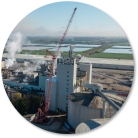
Through a disciplined, data-driven approach, the company evaluated each stage of production, from beet intake at piling sites to processing in the factory through sugar loading and shipment, identified constraints, and prioritized upgrades. This phased execution model enabled continuous improvement, minimized operational risk, and maintained reliable returns for growers. The result was a more than 30 percent increase in daily processing capacity and sugar output, paired with a 15 percent improvement in fuel efficiency, a clear indication of reduced energy intensity per unit of production.
Targeted capital investments, totaling more than $230 million, delivered step-change sustainability outcomes. A transition from batch to continuous processing using a white centrifugal station will add to process efficiency and reduce energy demand. The installation of a natural gas-fired lime kiln replaced over 6,000 tons of coke per year, significantly lowering greenhouse gas emissions and criteria air pollutants. At the same time, a new triple-pass pulp dryer nearly doubled drying capacity without a corresponding increase in energy input, demonstrating improved thermal efficiency.
Additional system upgrades, including expanded heat transfer surfaces, high-efficiency evaporators, and enhanced carbonation processes, further reduced steam demand and optimized energy recovery. Improvements to diffusion and slicing capacity increased throughput while maintaining efficient resource use.
Collectively, these initiatives position the Drayton factory as a high-efficiency production hub with a lower emissions profile per ton of sugar produced. By integrating advanced engineering, fuel switching, and process optimization, American Crystal has strengthened its ability to meet growing demand while advancing its commitment to environmental performance and long-term operational resilience.